In physical therapy, how care is delivered can matter almost as much as what we do.
One of the strongest “hidden variables” in rehab is the therapeutic alliance—the working relationship between you and your physical therapist. In a large systematic review in Physical Therapy (PTJ), stronger therapist–patient relationships were consistently associated with better outcomes across multiple rehab settings, including pain, disability, satisfaction, and adherence.
At FX Physical Therapy, our model is built around 1-on-1 care because it creates the conditions where therapeutic alliance can actually form—and then translate into better follow-through, better decisions, and better long-term outcomes.
What Is the Therapeutic Alliance?
Most researchers describe therapeutic alliance using three core components:
- Bond: trust, rapport, feeling heard
- Goals: agreement on what you’re working toward
- Tasks: agreement on the plan—what you’ll do in-session and between visits
This “goals–tasks–bond” framework is widely attributed to Bordin’s working alliance model.
In rehab, this alliance isn’t “soft stuff.” It’s the structure that supports:
- honest symptom reporting
- confident decision-making
- consistency with exercise and activity changes
- progressions that match your real life (not a generic protocol)
What the Research Says: Alliance Is Linked to Better PT Outcomes
Multiple physical therapy–specific studies and reviews show meaningful associations between stronger alliance and improved outcomes:
- Systematic review (physical rehabilitation): therapist–patient alliance appears to have a positive effect on outcomes, though the strength varies and more research is needed.
- Chronic low back pain (PTJ study): positive alliance ratings between PTs and patients were associated with better outcomes.
- Chronic musculoskeletal pain (systematic review): emerging evidence suggests a strong alliance may improve pain outcomes in physical therapy.
- Adherence (knee pain/older adults): strong alliance appeared to facilitate adherence to exercise and physical activity over time.
- Telehealth PT (knee OA): patient-rated alliance showed associations with some longer-term outcomes (pain, self-efficacy, global function), though the effect sizes were modest.
Important nuance: alliance is not a magic wand. For example, one trial found that education framed around therapeutic alliance did not improve symptoms for a specific subgroup (chronic low back pain with low risk of poor prognosis).
That’s consistent with what we see clinically: alliance helps most when it’s paired with the right plan, the right dose, and good clinical reasoning.
Why 1-on-1 Care Strengthens the Therapeutic Alliance
Many clinics deliver care in a high-volume model where a therapist is juggling multiple patients at once. Even with great clinicians, that model can limit the inputs that build alliance: time, attention, and continuity.
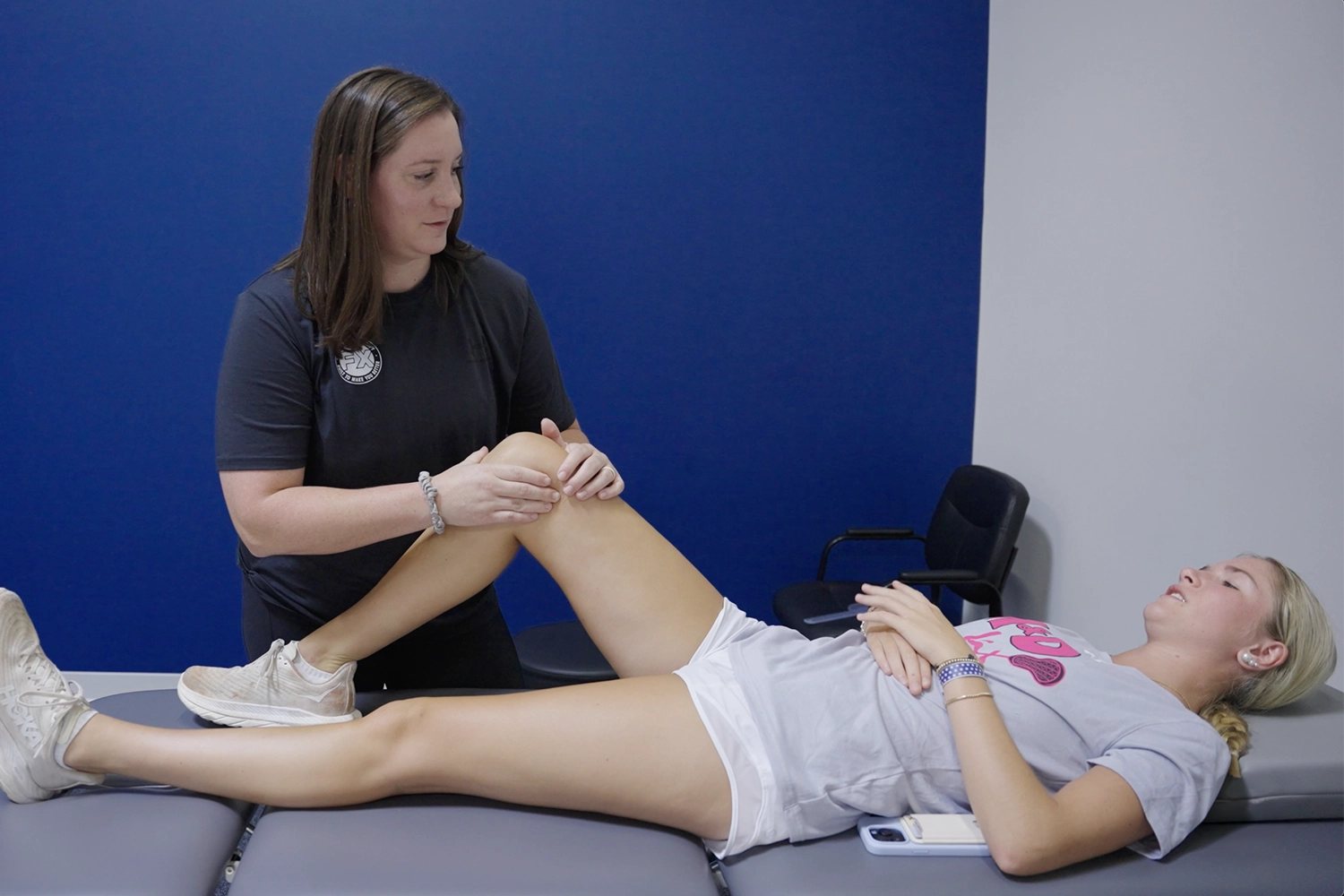
1-on-1 care changes the environment. It creates more opportunities for the specific behaviors that build goals–tasks–bond.
1) More time for listening → better shared goals
Alliance strengthens when patients feel understood and when the plan fits what matters to them (sport, work demands, parenting, sleep, stress, fear of movement). That requires real conversation—especially early in care.
2) Real-time coaching → clearer “tasks” and higher confidence
When your therapist is fully present, you get:
- tighter exercise form feedback
- better symptom interpretation (“good soreness vs warning sign”)
- faster adjustments when something flares
That clarity increases self-efficacy, and self-efficacy is repeatedly tied to better rehab follow-through and outcomes (including in PT alliance/outcomes work).
3) Consistency and continuity → stronger bond and trust
Trust isn’t abstract. It’s what makes you comfortable saying:
- “That movement scares me.”
- “I didn’t do the program.”
- “This isn’t working—can we change course?”
Those statements are gold clinically—but they usually show up only when the relationship feels safe.
4) The setting matters (privacy + adequate visit length)
Research on treatment fidelity in rehab highlights that shorter, brief sessions can make empathy and alliance harder to achieve, and notes intervention features designed to support alliance such as sessions up to 60 minutes in a private room.
How Therapeutic Alliance Can Improve Outcomes (The Practical Mechanisms)
Think of therapeutic alliance as the “transmission” that helps the rehab plan actually reach the tissues and the nervous system.
Mechanism A: Better adherence (the plan gets done)
Alliance can reduce friction and increase consistency—especially with progressive strengthening and activity exposure. That’s a major reason alliance has been linked with adherence in physiotherapy-led exercise.
Mechanism B: Better dosing and progression (the plan gets done correctly)
If you trust your therapist, you report symptoms earlier and more accurately. That helps us titrate load and progressions more safely and more aggressively when appropriate—avoiding both under-dosing (“playing it safe forever”) and over-dosing (flare-ups that derail momentum).
Mechanism C: Better expectations and lower threat
Alliance supports reassurance and better understanding of pain and healing. In musculoskeletal rehab, expectations and the therapeutic context can meaningfully influence perceived outcomes and engagement.
What This Looks Like at FX Physical Therapy
Our 1-on-1 model is designed to operationalize therapeutic alliance, not just talk about it.
In practice, that means:
- You work with a clinician who knows your history and goals (not a rotating cast).
- Your plan is progressed based on your sport/work/life demands—not just a template.
- You get coaching, re-checks, and education in real time—because your session isn’t split between multiple patients.
The goal: a stronger alliance → better adherence and decision-making → better outcomes.
FAQs
Does the therapeutic alliance really affect physical therapy results?
Research in physical rehabilitation settings shows the therapist–patient relationship is positively associated with outcomes, including pain, disability, satisfaction, and adherence (with varying strength across studies).
What conditions benefit most from a strong therapeutic alliance?
Evidence is especially discussed in musculoskeletal pain populations (e.g., chronic low back pain, knee osteoarthritis), where alliance has been linked to better outcomes and/or adherence.
Is 1-on-1 care proven to be better than shared-visit models?
Direct head-to-head research varies by setting, and outcomes depend on many factors. What is well supported is that alliance matters, and features like adequate time, focus, and privacy can support alliance-building—elements that are naturally easier to deliver in 1-on-1 care.
Ready for 1-on-1 Care That’s Built Around You?
If you’re tired of rushed visits and generic programs, we’re here for you.